

Healing With Visceral Therapy
Visceral therapy uses gentle manual techniques to release tension and restore natural movement in the viscera (organs). Just like our muscles and joints, our organs are meant to move. Each organs needs to move freely to function properly. This manual technique was developed by Dr. Jean-Pierre Barral.
What is Visceral Therapy?
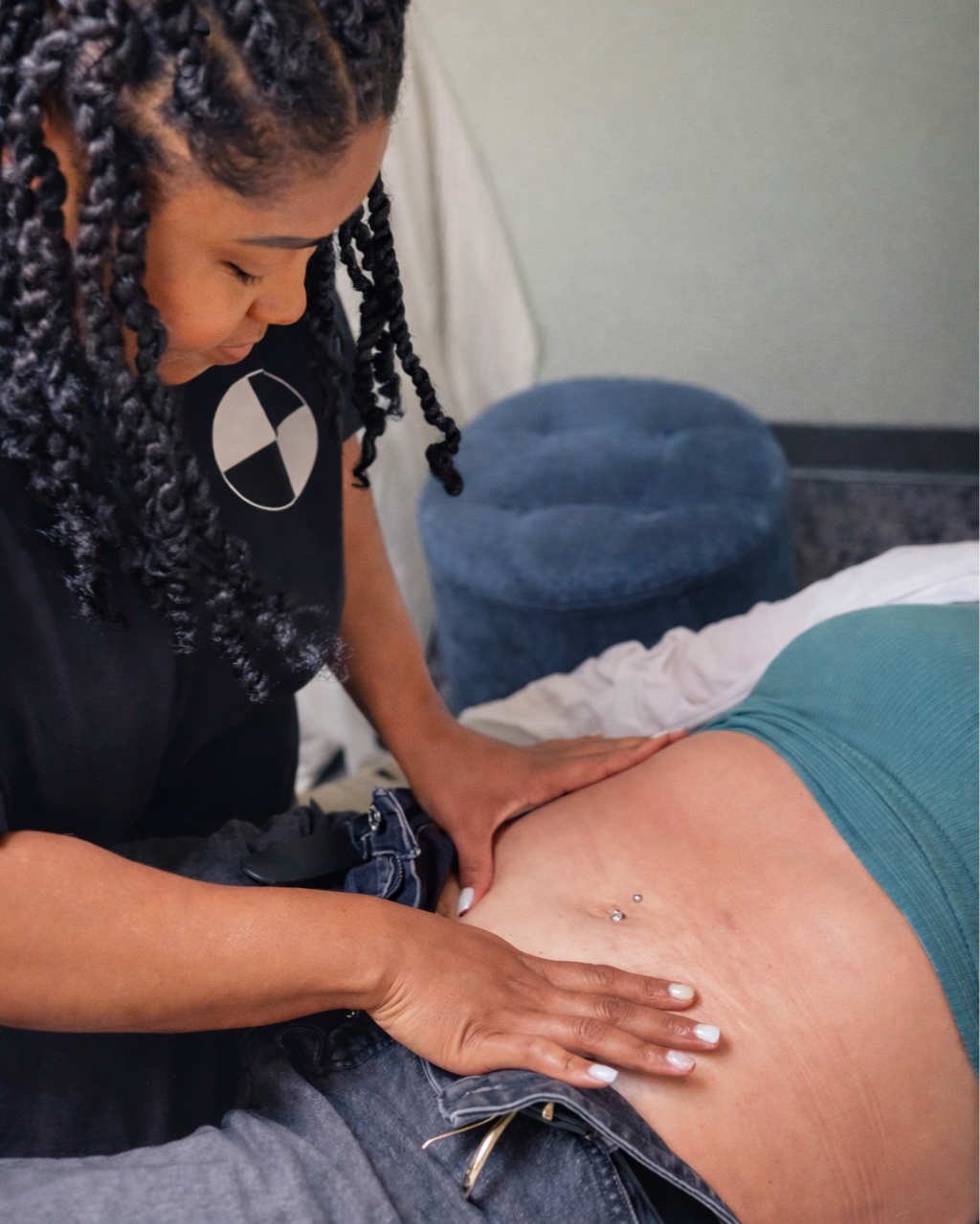
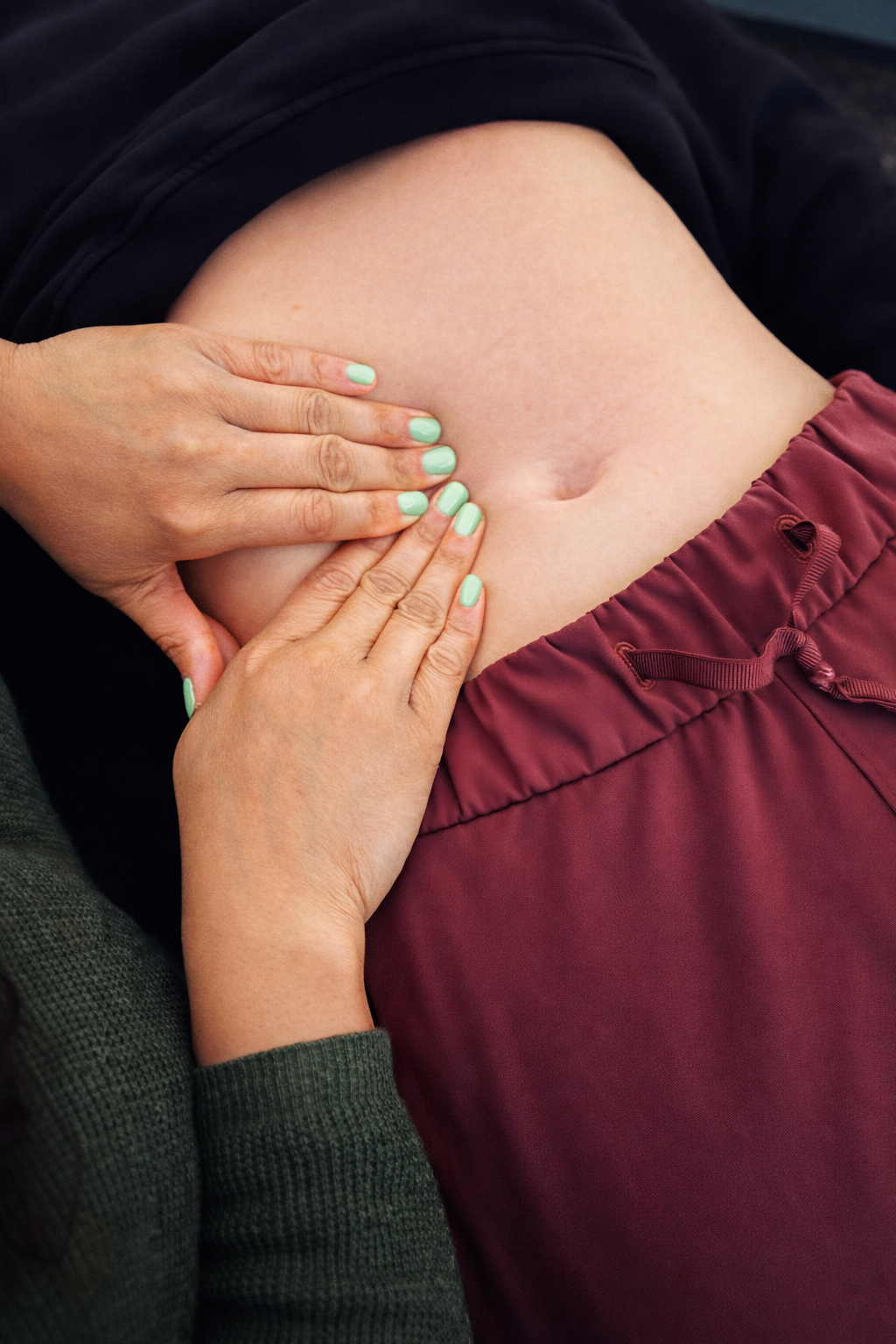
Visceral therapy is a gentle manual therapy that focuses on the organs and how they move in relation to one another. Your organs aren’t fixed in place, they move naturally as you breathe, digest, and live your daily life. When that movement becomes restricted due to inflammation, surgical scarring, injury, or trauma, it creates tension in the tissues around them..
These restrictions contribute to symptoms and reduced organ function.
This specialized therapy helps release restrictions and unhealthy compensations that cause pain and dysfunction.
When organs can move freely, the body functions more efficiently. When that movement is restricted, tension can spread through the connective tissue, affecting nearby structures and systems.
Supporting healthy organ movement helps address patterns such as:
Bloating or sluggish digestion
Menstrual discomfort or cycle irregularities
Pelvic or low back tension
A persistent sense of tightness or holding in the abdomen
Symptoms that worsen during stress
This work looks beyond symptoms and addresses how internal restrictions may be contributing to what you’re experiencing.
Why Organ Movement Matters
What to Expect During Sessions
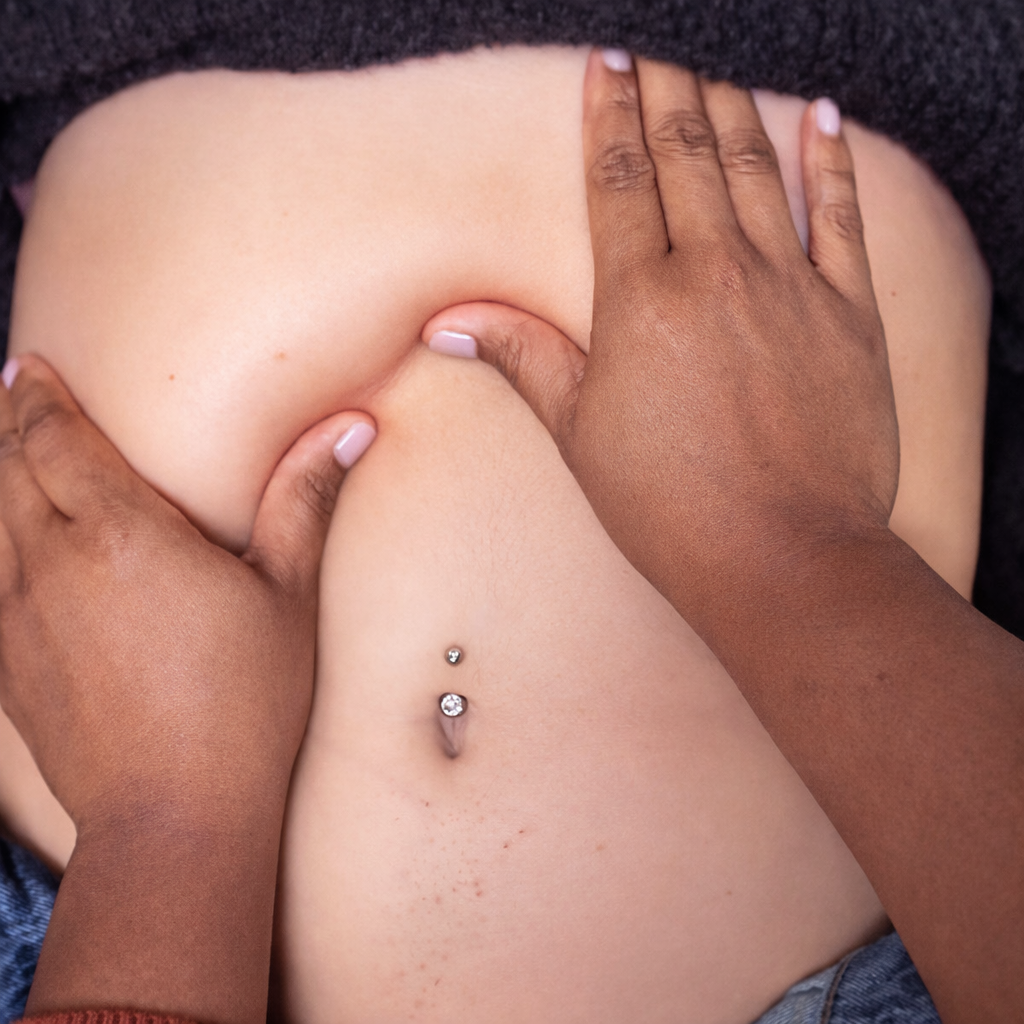
Visceral therapy uses light, specific manual contact to assess and support the natural movement of the organs.
During a session, we will:
Gently assess areas of restriction or tension within the abdomen and surrounding tissues
Use subtle, precise touch to encourage improved mobility
Allow the body to respond and release at its own pace
This approach is not forceful. It is guided by the body’s natural rhythms and responses.

Conditions We Commonly See
Digestive disorders (IBS, constipation, bloating)
Post-surgical adhesions and scar tissue
Pelvic pain and dysfunction
Endometriosis discomfort
Menstrual cramps and irregularities
Respiratory difficulties
Headaches and migraines
Many people don’t realize how much they’re holding until they feel relief.