The Truth About PCOS
This is the information I wish someone would have told me when I was diagnosed with PCOS almost a decade ago.
PCOS: Why the Name Doesn’t Tell the Whole Story
Polycystic Ovarian Syndrome (PCOS) is usually described as a condition where the ovaries make too many androgens (male-type hormones). On paper, it sounds simple: irregular or missing periods, possible weight changes, excess hair growth, acne, and ovaries that look like they have cysts.
But here’s the thing: the name Polycystic Ovarian Syndrome is honestly misleading. It makes you think the “cysts” are the problem. Spoiler: they’re not.
PCOS is not just about your ovaries, it’s about your whole endocrine system, your metabolism, and the way your body is processing hormones.
PCOS Diagnostic Criteria
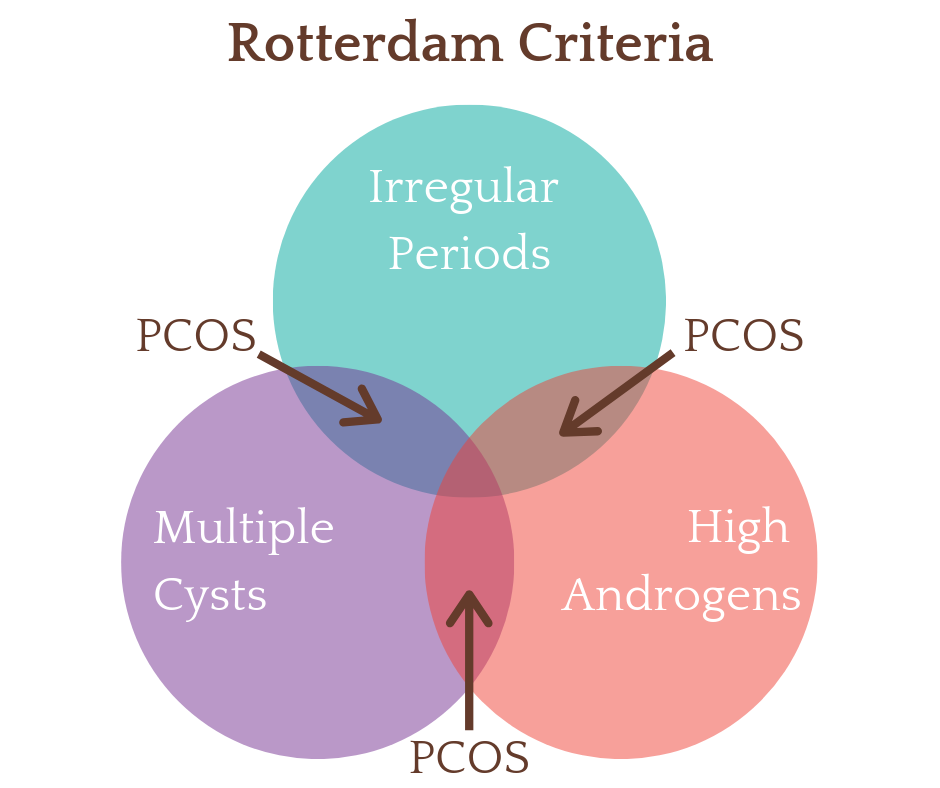
The most widely used diagnostic criteria for PCOS is the 2003 Rotterdam Criteria.
What’s PCOS, Really?
Let’s clear this up:
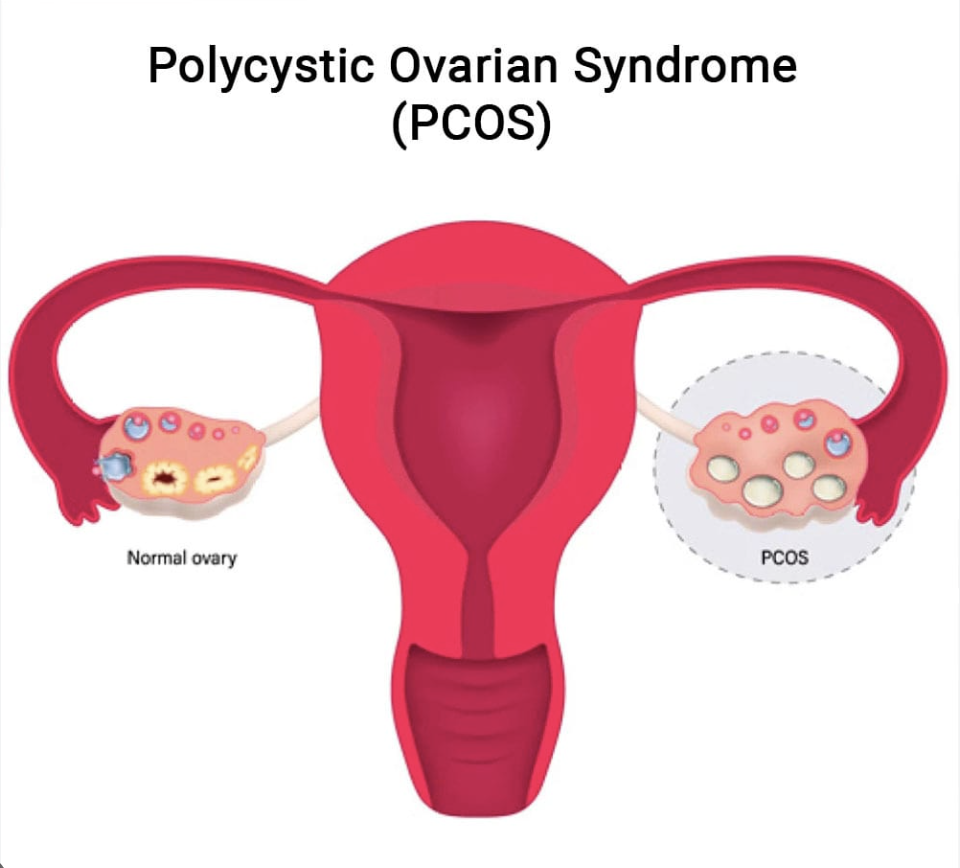
The “cysts” doctors point to? They’re actually immature follicles (tiny eggs that didn’t fully develop because of hormone imbalance). They’re not cysts in the scary, “bursting with pain” sense.
You can be diagnosed with PCOS even if you don’t have polycystic ovaries at all.
That’s because diagnosis uses something called the Rotterdam Criteria (2003): you need 2 out of 3 things to qualify:
Hyperandrogenism → High levels of male-type hormones (causing acne, excess hair, or thinning hair).
Irregular or absent cycles → Oligomenorrhea or amenorrhea (translation: cycles all over the place, or missing altogether).
“Polycystic” appearance on ovaries with ultrasound.
You only need 2. Which means you can have irregular cycles + acne and boom, PCOS diagnosis. No “cysts” required.
PCOS vs Ovarian Cysts: Not the Same Thing
Here’s where the confusion deepens:
Polycystic ovaries in PCOS → immature follicles that didn’t develop because of excess androgens.
Ovarian cysts → fluid-filled sacs women commonly get during their cycle (and most of them vanish on their own).
In PCOS, hormone imbalances can prevent ovulation, this means the follicles (which carry eggs) don’t mature and release an egg like they should. Instead, they remain stuck in the ovary, creating the “polycystic” look on ultrasound.
Many women are told they have PCOS based on one ultrasound, when really, they just had normal ovarian cysts. Cue unnecessary birth control prescriptions and years of confusion.
PCOS is about function, not just an ovary scan. If your cycle is off and your hormones are imbalanced, that matters more than a blurry ultrasound image.
Why the Name “PCOS” Misses the Mark
The biggest issue? The name makes women believe their ovaries are broken. But really, PCOS is a complex metabolic and endocrine disorder. The ovaries are more like victims of the hormone chaos, not the villains causing it.
That’s why so many women leave the doctor’s office confused, thinking:
“I don’t even have cysts, so do I really have PCOS?”
“Do I just need to take the pill forever?”
You deserve better answers than “here’s birth control, see you next year.”
The Bigger Picture
PCOS isn’t one-size-fits-all. It shows up differently in every woman. For some, it’s irregular cycles. For others, it’s acne, hair growth, or fertility struggles. For many, it’s years of being dismissed because “your labs look fine” or “just lose weight.”
But here’s the empowering reframe: PCOS isn’t the end of your story. It’s your body waving a flag saying, “Hey, my hormones need more balance, my metabolism needs more support, and I need you to listen.”
PCOS is not your fault. It’s not “just cysts.” And it does not define your womanhood (trust me, I know it FEELS like it does most days). But the more you understand the real picture, the more you can work with your body, not against it.
Next Steps: Beginner Friendly
20 minutes morning sunlight (yes, seriously)
5-8K steps daily
Quality protein packed breakfast
Herbal tea (spearmint, licorice, nettle)
Liver Support (Omega-3s - fish, flaxseed + Fiber - cruciferous veggies)
There is A LOT of information out there, be careful not to overwhelm yourself. Start with these simple habits and be consistent. You GOT THIS! Happy Healing girlie!
xx
Dr. Toya D White